
made in china
and other stigmas.
Painting an entire country with the same brush is an action we reserve for the East.
The USA deflects criticism with reminders of its size and political diversity every time an election result is discussed. Australia successfully feeds the world its laidback, unbothered self-prescription following every xenophobic rally and political outburst. The UK rushes to refute every well-earned stereotype, except those reserved for immigrants.
To be proud of one’s country in the West is patriotism; to be proud of one’s country in the East is nationalism.
Predominantly white countries are allowed to have multifaceted identities and routine image crises, while in Asian countries especially, the worst national paradigms remain scapegoats for Western racism. There’s no room for multiplicity, and every dimension of a country is conflated into an opportunity for stigma.
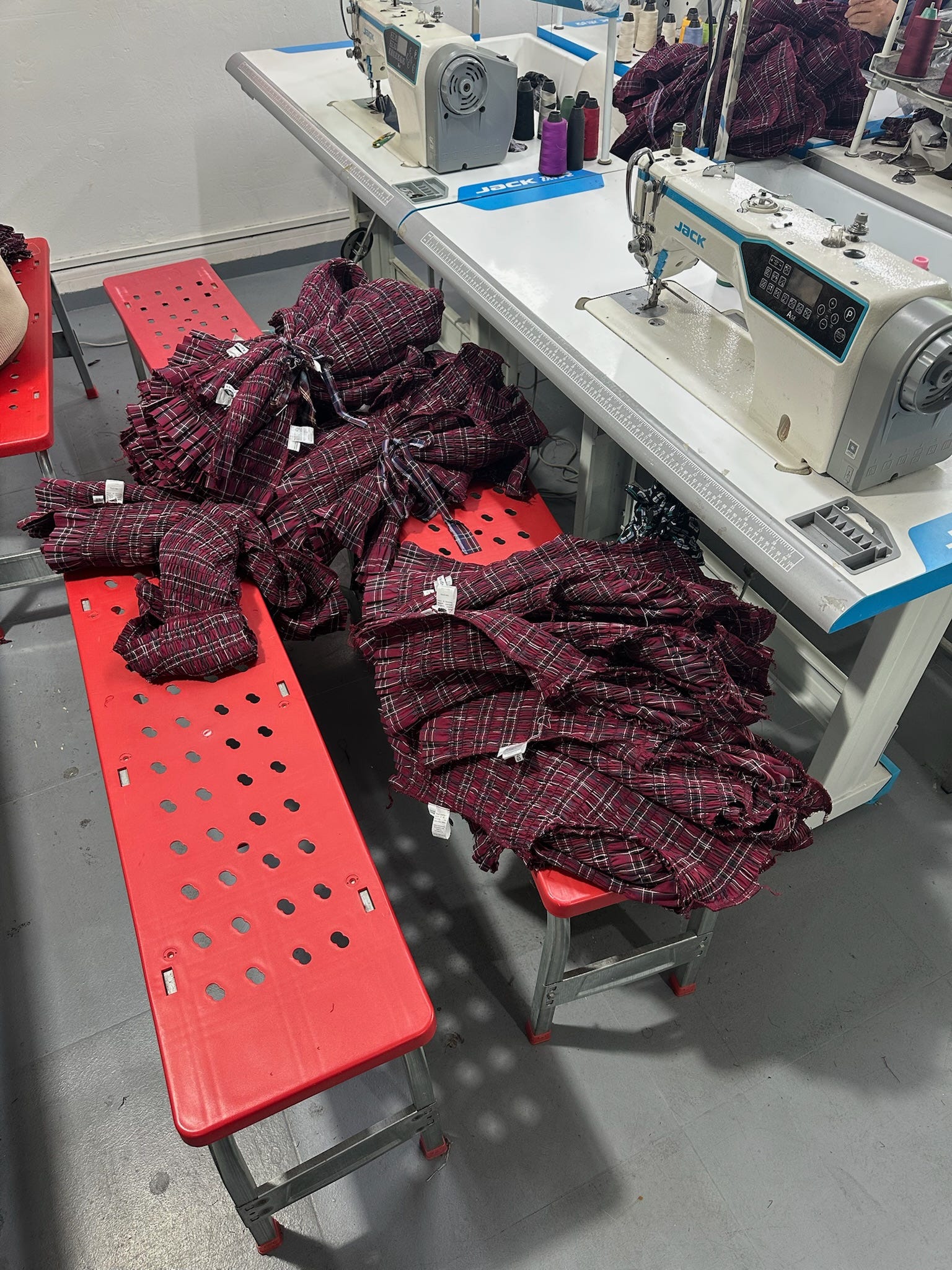
For years, I’ve watched faces subtly contort after learning that our pieces are produced in China.
It’s usually a mix of masked suspicion and puzzled hesitance as they process the information, coupled with a head tilt in the worst cases or a benign nod at best. If they’re on the other side of 60, they often just scoff.
China isn’t a monolith, yet the diversity of cultures, ideas and skills amongst 1.4 billion people is frequently boiled down to a single label. ‘Made in China’ has become less of a birth certificate and more a suggestion of poor quality, an assumption of subpar work, lacking care and even something nefarious.
Societal laziness and bigotry means every Chinese suburb, person, faith, language and political view are emulsified into one that we can conveniently denigrate.
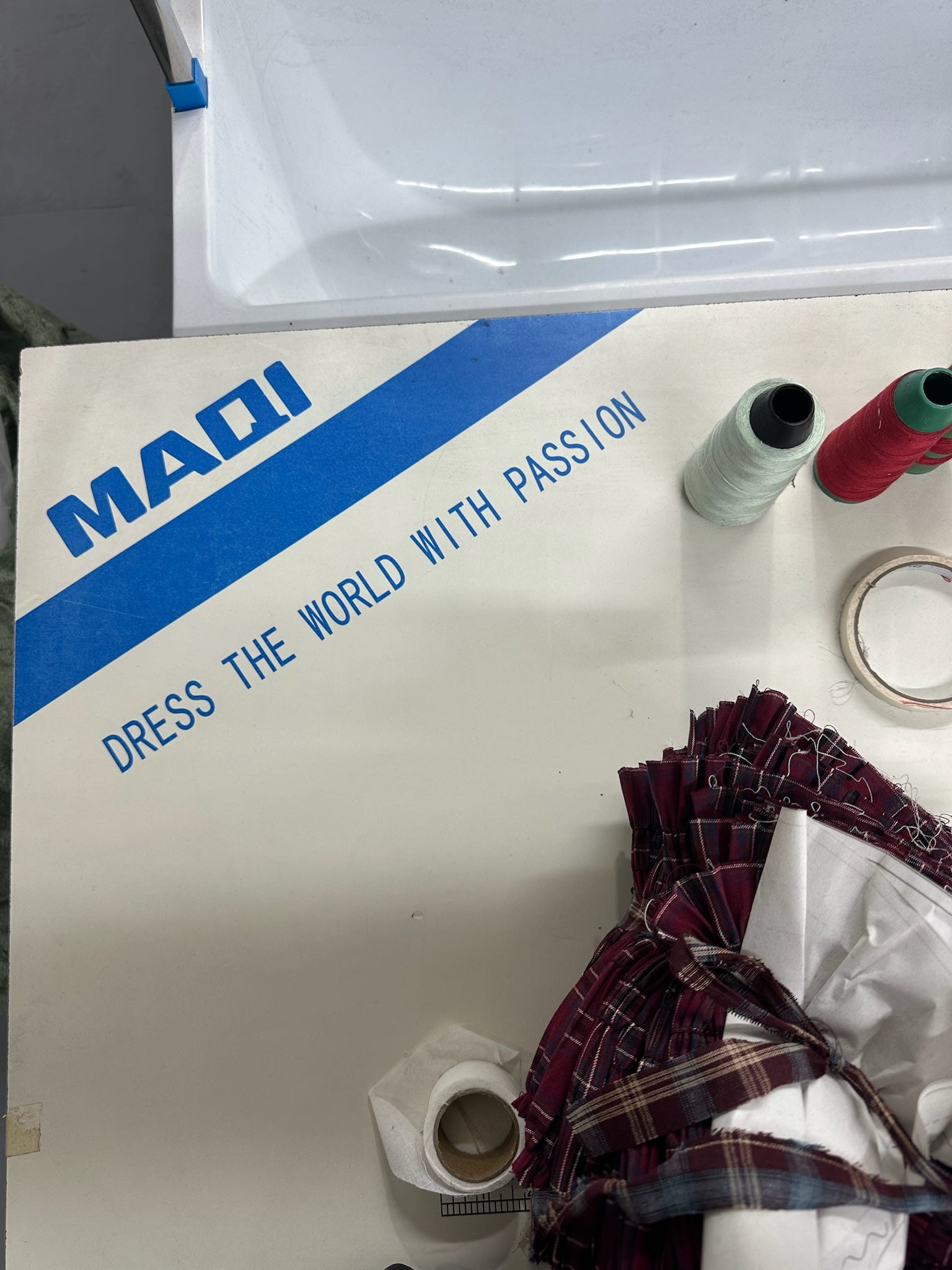
After entering the global economy in the late 70s, China’s industrialisation was rapid. In the 90s, it established itself as a hub for cheaply-made goods, starting with low-end products and offering alternatives to every day items manufactured at a fraction of the cost.
The country’s Western reputation at the time was a perfect storm of US hegemony and cultural influence over Australia, as well as a post-Cold War skepticism of communism. General ideological eyebrow raises were the springboard for cynicism; as China’s export list grew and the world was exposed to a country in its industrial infancy, it became synonymous with poor quality.
In the 90s, China joined the World Bank and International Monetary Fund, before entering the World Trade Organisation in 2001. Such measures legitimised the country as an economic force from a Eurocentric perspective, recognised by global standards as a key player in the manufacturing game. Entering the international trade network allowed the country to overtake Japan as the predominant exporter of light goods, which then led to China dethroning the US as the world’s industrial powerhouse in 2010.
This was no accident, as three decades of globalisation and technological advancements brought sophisticated production, business hours, liveable wages, employment benefits and even luxury recognition.
In 2011, Miuccia Prada praised the wonders of the Chinese industry to the Wall Street Journal, saying, “Sooner or later, it will happen to everyone because [Chinese manufacturing] is so good”.
Now, the same way a price tag is not proportionate to the value of an item, the place of production is not indicative of its quality. Responsible manufacturing and China are not mutually exclusive.
Enduring bigoted attitudes are only endorsed by global governments, as they impose excessive tariffs and denigrate Chinese-made products in order to promote local manufacturing. The rise of anti-Asian hate and Orientalism following the covid pandemic has only further enshrined this social perception, dehumanising an entire country and allowing this particular font of racism to thrive.
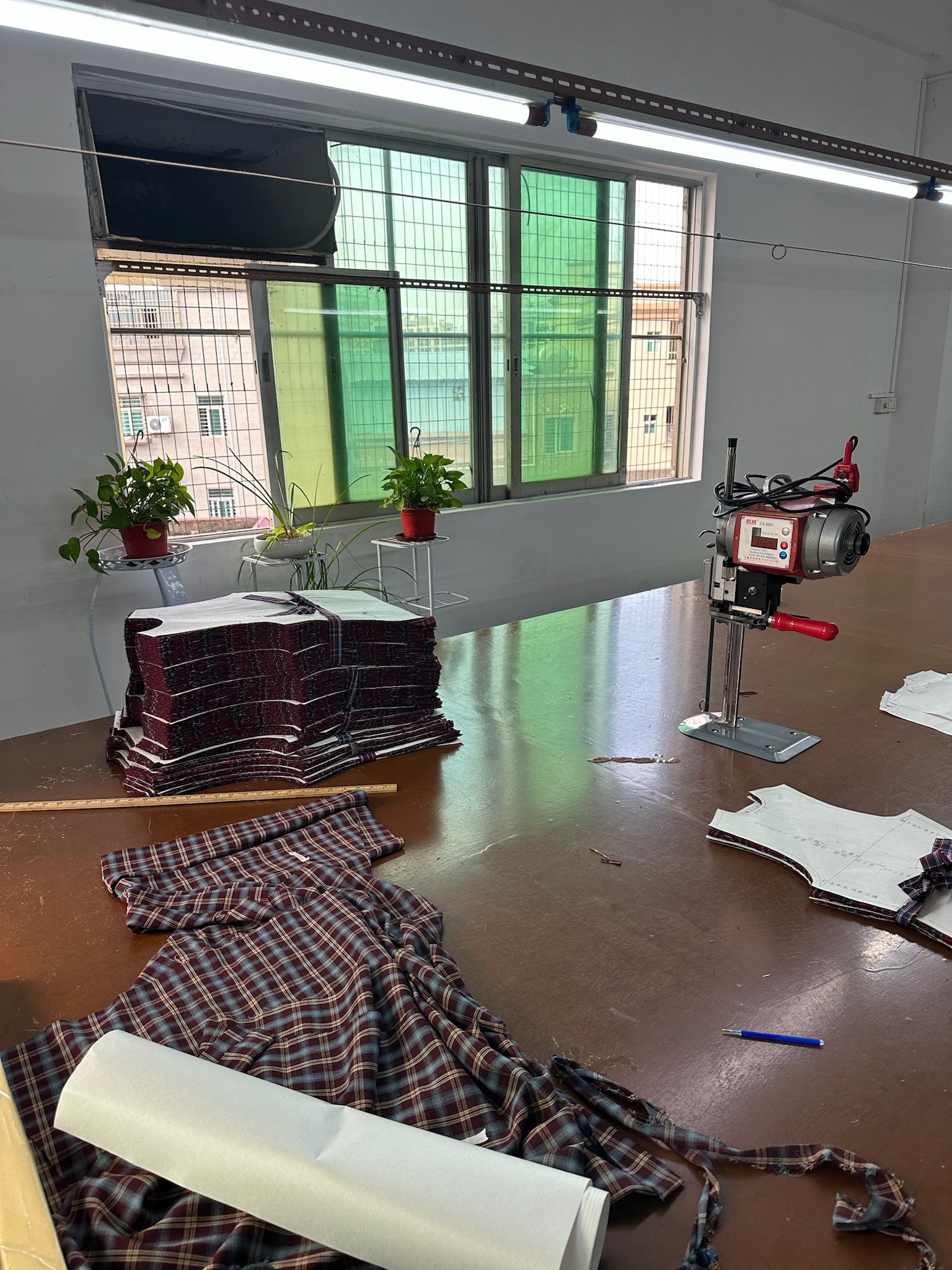
It’s a common misconception that is nothing but stigma with relentless staying power, fuelled by the racism that underscores many of our interactions with the world. The act of discounting decades of know-how and expertise comes naturally to the West, but any region with the specialised skills, resources and ability to produce at different scales and price points is welcome and integral to the global economy.
For as long as Australia doesn’t prioritise its local industry and lags on on-shore production incentives, regions like China will continue to develop skills and technology at a greater rate. While other countries have seen an exponential increase in industrial skills, Australia has seen a steady decline of the same. Declining local skillshare means manufacturing capabilities are limited and only growing moreso. For as long as there are a mere few replacing former generations of craftspeople and artisans, the local industry will continue to dwindle.
There’s also the economic sense where a lower cost of living means production costs can be lower than they would be on-shore. The cost of living in Australia is approximately 140% higher than that in China, making any local operational hub more expensive to engage. Labour is consequently more expensive to match the higher living wage, meaning any product is significantly more costly for the average consumer.
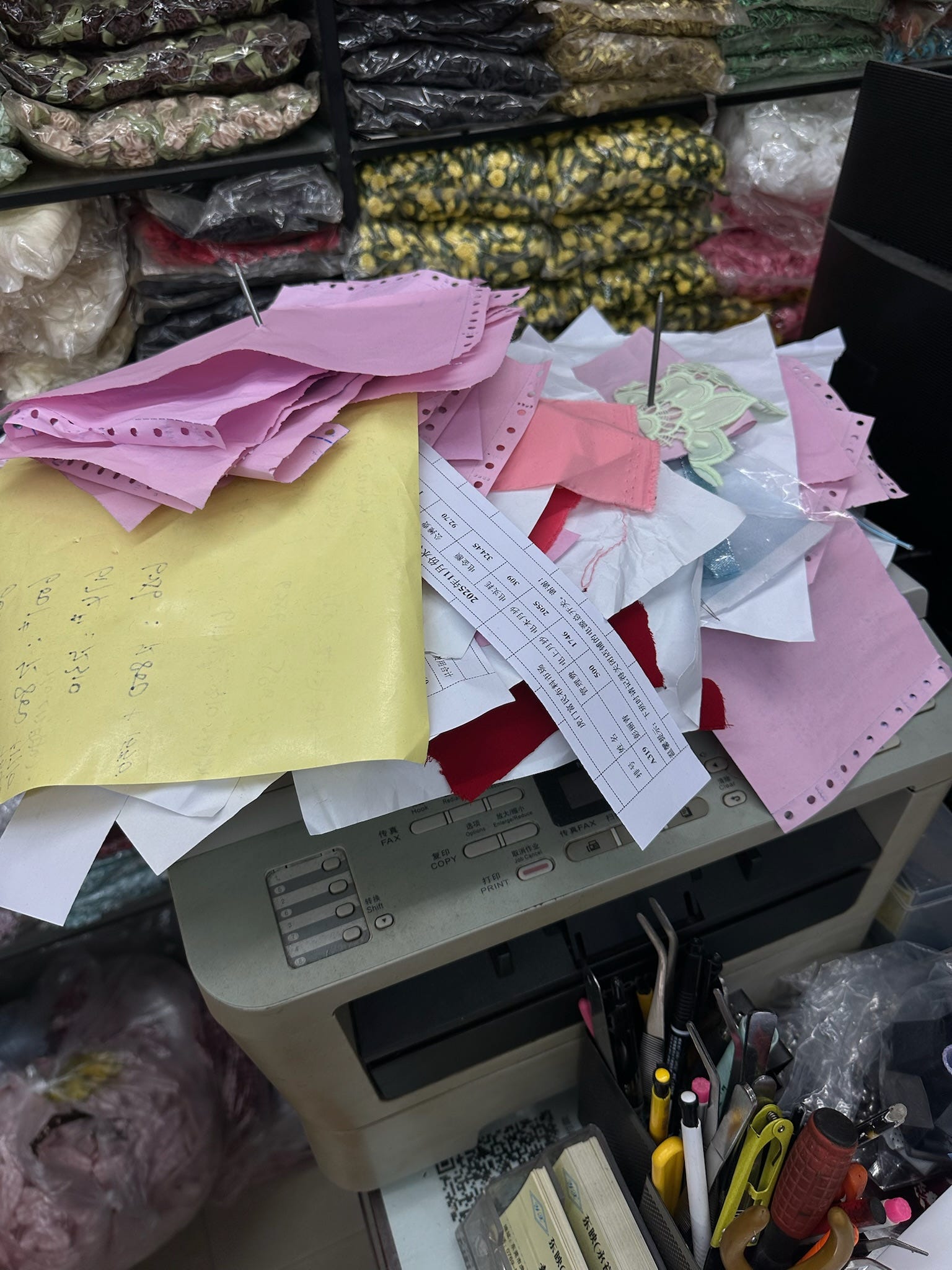
When the place of origin becomes a marketing strategy, it’s clear where our biases lie.
A ‘Made in Italy’ label signifies luxury, wealth and quality, all contributors to value. We’ll pay more knowing that a garment was made in Europe, despite investigations uncovering entire regions of factories, some servicing the world’s biggest names in luxury, enabling sweatshop conditions, safety violations and wages well below what is legal or ethical.
It’s the same reason a label reading ‘designed in Australia’ is still a selling point, despite that same garment being made in China, and despite Australia being home to a cohort of the world’s largest fast fashion businesses. We excuse the latter, because even though Australia is the backdrop of some of the most consumerist retailers, it is also home to some of the most considered labels and ethical studios. The worst players ride on the coattails of the best in some countries, but the vice versa is true for Chinese manufacturing.
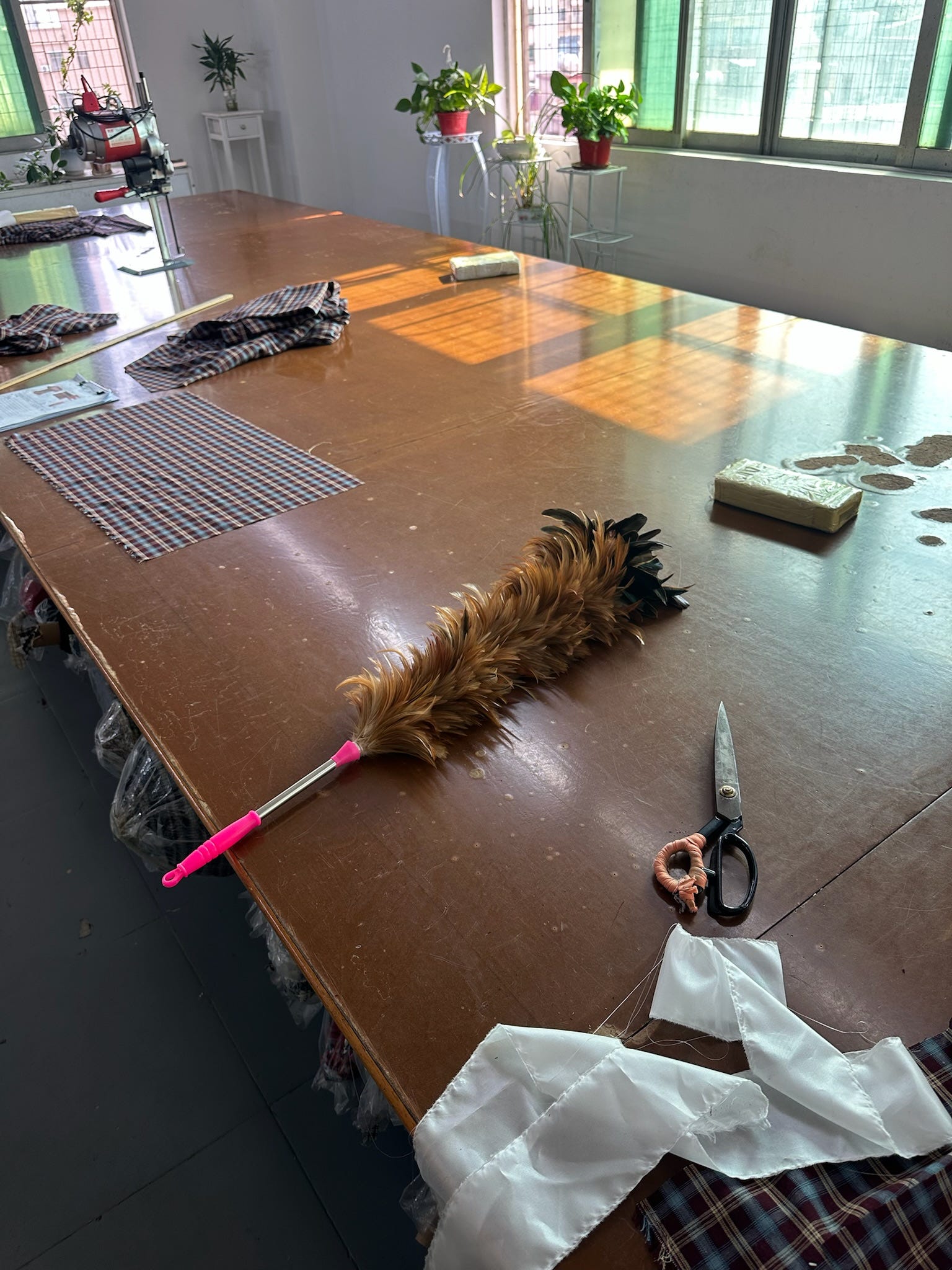
Sustainability discourse isn’t exempt from this conversation, as it automatically pushes against Chinese production and again conflates quality with location. We tend to forget that shopping ethically is about assessing an individual brand and extracting the most value from a garment before its end-of-life stage.
The other end of the sustainability argument is only bolstered by our reflexive, casual racism. For as long as we churn through fast fashion, we prefer the people who made it to be nameless, faceless, and far away. Fast fashion businesses profit from these systems, which could be curtailed by more transparency across the entire industry. If Western brands, where these instances of racism originate and proliferate, owned their manufacturing location and made public real information about the hands, faces and hearts who create each piece, the stigma might start to wilt.
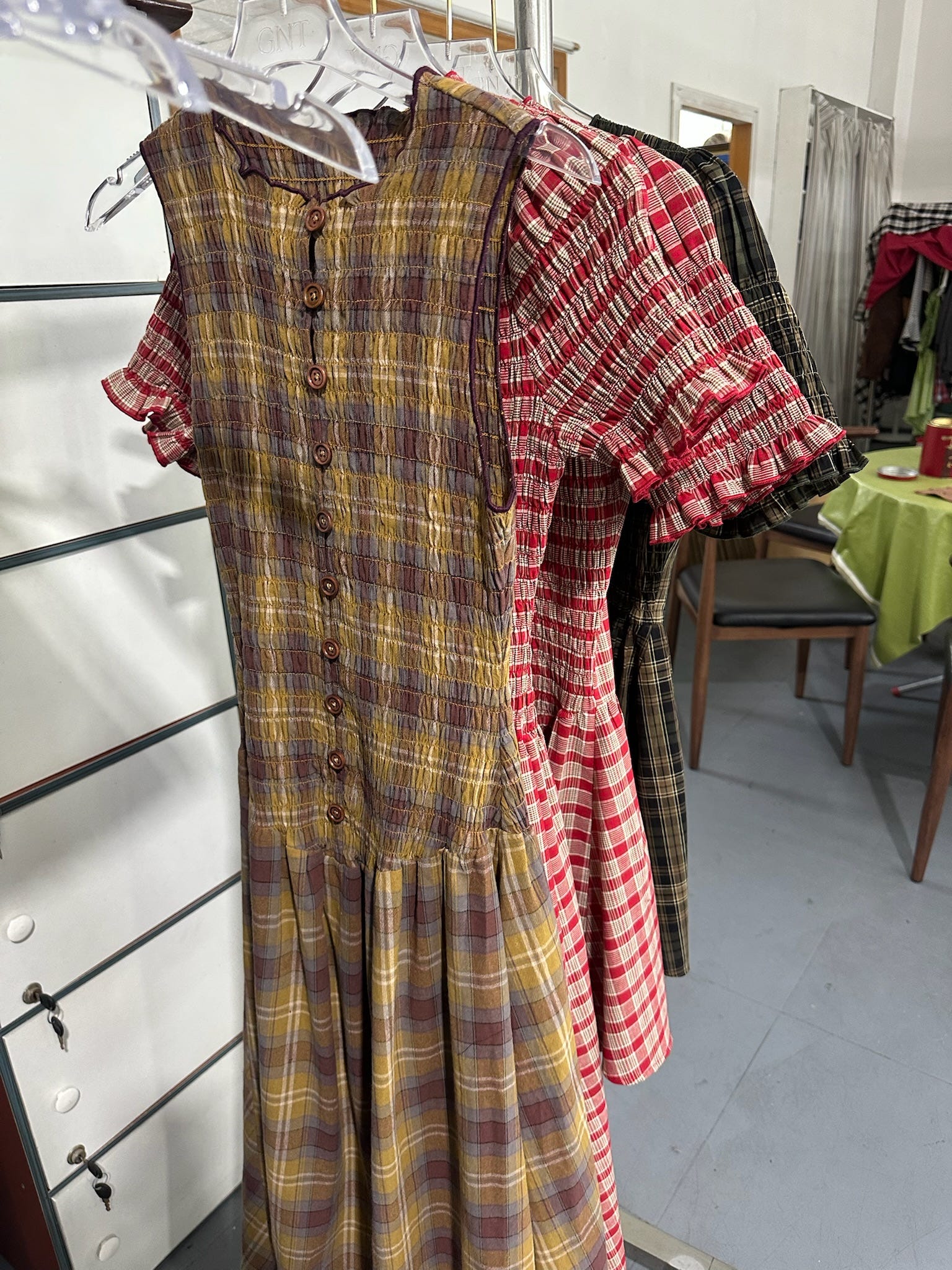
Within our own brand, we work with a family owned and operated studio in Guangzhou. The team is helmed by Daisy, a mother with an environmental engineering degree and benevolent passion for slow-paced, well-made style.
Specialist machinery, finishings and trims are few and far between Australia, meaning the quality and details of our pieces would suffer if created locally. Creativity is also limited when each facet of a garment is so much more costly and hard to source. When they can be sourced conveniently, they're shipped from various other countries and the carbon footprint of a single garment quickly multiplies. By keeping our manufacturing with Daisy, the world is our oyster and the know-how is guaranteed.
Faces might fall, but they shouldn’t. It’s a damningly white view to understand Western-made fashion as inherently ethical and Chinese-made fashion as definitively bad. To cower from that fact only adds to the stigma.
We <3 Daisy
Loved this